
Gum Disease Explained: Causes, Warning Signs, and How Dentists Treat It
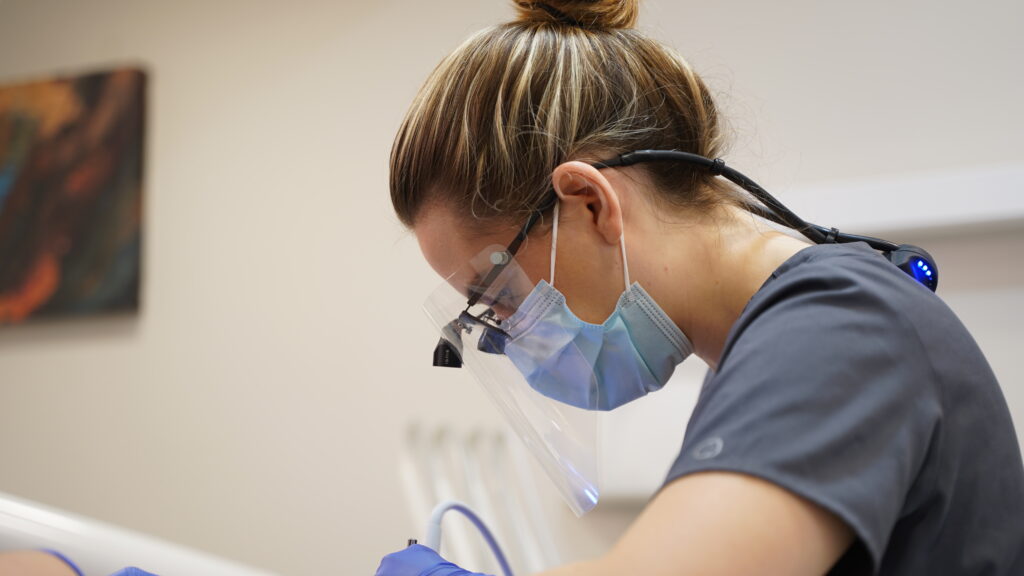
A complete guide to recognising, preventing, and treating gum disease for a healthier, longer-lasting smile.
Gum disease is one of the most common dental health problems among adults in the UK — but it’s also one of the most preventable. At Andrea Ubhi Dentistry in York, we see many patients each year who are concerned about bleeding gums, bad breath, or gum recession, and want to know how serious it really is.
The truth is, gum disease can often be reversed if caught early. However, when left untreated, it can cause permanent damage — including tooth loss and even a link to wider health concerns such as heart disease and diabetes.
In this guide, we’ll explain what gum disease is, what causes it, how to recognise the early warning signs, and how our dentists treat it effectively.
What Exactly is Gum Disease?
Gum disease, also known as periodontal disease, is an infection of the tissues that support your teeth. It usually starts as gingivitis — inflammation of the gums caused by plaque build-up. If not treated, it can progress to periodontitis, a more severe stage where the infection spreads deeper into the bone and connective tissue around your teeth.
Gum disease develops gradually, often without pain in the early stages, which is why regular dental check-ups are so important. By identifying gum inflammation early, your dentist or hygienist can treat it before lasting damage occurs.
Is Gum Disease Caused by Poor Oral Hygiene?
While poor oral hygiene is the most common cause of gum disease, it’s not the only one.
When plaque — a soft, sticky film of bacteria — isn’t removed through daily brushing and flossing, it hardens into tartar (calculus). This build-up irritates the gums, causing inflammation and bleeding.
However, several other factors can increase your risk of developing gum disease:
- Smoking and vaping – These reduce blood flow to the gums and affect healing, making gum disease more likely and harder to treat.
- Hormonal changes – Pregnancy, menopause, and hormonal contraceptives can make gums more sensitive to plaque.
- Diabetes – Poorly controlled blood sugar can increase susceptibility to infections, including gum infections.
- Genetics – Some people are naturally more prone to gum disease due to inherited factors.
- Stress and poor diet – Both can weaken your immune system and your body’s ability to fight off gum bacteria.
- Certain medications – Some medicines reduce saliva flow, causing a dry mouth that allows bacteria to flourish.
So, while brushing and flossing remain your first line of defence, lifestyle and health factors also play a major role.
The Early Warning Signs of Gum Disease
Recognising gum disease early can make all the difference in treatment success. Early-stage gum disease (gingivitis) can often be reversed with professional cleaning and improved home care.
Here are the most common warning signs to look out for:
- Bleeding gums when brushing or flossing
- Red, swollen, or tender gums
- Persistent bad breath (halitosis)
- A bad taste in your mouth
- Receding gums that make your teeth look longer
- Loose teeth or a change in how your teeth fit together
If you notice one or more of these symptoms, book an appointment with your dentist as soon as possible. At Andrea Ubhi Dentistry, our hygiene team can carry out a thorough assessment to determine the stage of gum disease and recommend the right treatment plan.
What Happens if Gum Disease Goes Untreated?
Ignoring gum disease doesn’t make it go away — in fact, it allows the bacteria to spread deeper into the gums and supporting structures of the teeth.
As the infection progresses, the body’s immune response begins to break down the bone and tissue that hold your teeth in place. This advanced stage, periodontitis, can lead to:
- Gum recession, exposing the tooth roots and causing sensitivity
- Tooth mobility – your teeth may start to wobble or feel loose
- Pus or abscesses in the gums
- Tooth loss in severe cases
Beyond oral health, untreated gum disease has been linked to systemic conditions including heart disease, stroke, diabetes complications, and adverse pregnancy outcomes.
For these reasons, treating gum disease early isn’t just about saving your smile — it’s about protecting your overall health.
Can You Fix Gum Disease at Home?
The early stage of gum disease — gingivitis — can often be reversed at home with professional guidance.
Here’s what helps:
- Brush twice a day, using the correct technique to clean along the gumline.
- Floss or use interdental brushes daily to remove plaque between teeth.
- Use an antibacterial mouthwash to help reduce bacterial levels.
- Quit smoking, which dramatically improves gum health and healing.
- Eat a balanced diet, rich in vitamins C and D, which support gum repair.
However, once gum disease has progressed to periodontitis, you cannot reverse it at home. The bacterial deposits below the gumline can only be removed by a dentist or hygienist using specialised tools.
At Andrea Ubhi Dentistry, we use advanced periodontal cleaning techniques and gentle ultrasonic instruments to remove bacteria from deep under the gums, helping the tissues heal and tighten back around the teeth.
Our experienced hygiene and restorative team includes award-winning hygienist Faye Donald and Dr Tim Steel, who work together to diagnose, treat, and prevent gum disease using the latest techniques such as Guided Biofilm Therapy®. Their expert care helps patients achieve and maintain healthy gums in a calm, supportive environment.
So while excellent home care is essential, professional treatment is the key to halting gum disease in its tracks.
What’s the Best Toothpaste, Toothbrush, and Mouthwash for Gum Health?
Choosing the right oral care products can make a big difference in managing gum health.
Here’s what dental professionals recommend (without promoting specific brands):
Toothpaste for Gum Health
Look for toothpaste that contains:
- Fluoride, to strengthen enamel and prevent decay.
- Antibacterial agents such as stannous fluoride or triclosan (in dentist-approved products), which help reduce gum inflammation.
- Low abrasivity, to avoid damaging the gums while brushing.
Toothbrush
An electric toothbrush with a pressure sensor is often the best choice. It provides consistent cleaning power and alerts you if you’re brushing too hard.
Mouthwash
An antibacterial mouthwash can help reduce plaque bacteria. Ingredients like chlorhexidine (used short-term) can be effective, but prolonged use of chlorhexidine should be guided by your dentist due to potential staining.
Remember: no mouthwash or toothpaste can replace mechanical cleaning — brushing and interdental cleaning remain essential.
What Not to do When You Have Gum Disease
When managing gum disease, some common habits can make things worse rather than better. Avoid the following:
- ❌ Brushing too aggressively – This can damage gum tissue and cause further recession.
- ❌ Skipping dental appointments – Gum disease needs ongoing professional care.
- ❌ Ignoring bleeding gums – Bleeding is a sign of inflammation, not something to brush harder through.
- ❌ Using tobacco products – These slow healing and mask symptoms like bleeding, delaying diagnosis.
- ❌ Overusing mouthwash instead of brushing – Mouthwash should complement brushing, not replace it.
- ❌ Relying on home remedies alone – Saltwater rinses and herbal solutions can soothe, but they don’t remove the underlying bacterial deposits.
If you’re unsure how best to care for your gums, our hygienists can show you the correct brushing and interdental cleaning techniques during your appointment.
Can You Lose Teeth from Gum Disease?
Unfortunately, yes — gum disease is the leading cause of tooth loss in adults.
As periodontitis progresses, the supporting bone around your teeth is destroyed. Once enough bone is lost, the teeth become loose and may eventually require extraction.
The good news is that early diagnosis and treatment can prevent this from happening. Even in advanced cases, modern periodontal treatments can stabilise the disease, preserve existing teeth, and restore your confidence.
If tooth loss has already occurred, restorative options such as dental implants, bridges, or dentures can replace missing teeth and restore both function and aesthetics. We work closely with our dentists who have advanced training in restorative and periodontal care to create tailored treatment plans that rebuild healthy, beautiful smiles.
How Dentists Treat Gum Disease
Treatment depends on the stage of the disease, but typically involves several key steps:
1. Professional Cleaning and Scaling
Your hygienist will remove plaque and tartar from above and below the gumline. This process, known as scaling, helps eliminate the bacteria causing inflammation.
2. Root Surface Debridement
For more advanced cases, a deep cleaning known as root surface debridement or periodontal therapy is required. This is a deep clean under the gums that gets rid of bacteria from the roots of your teeth. Before having the treatment, you may need to have a local anaesthetic (painkilling medication) to numb the area.
3. Ongoing Maintenance
After treatment, regular hygiene visits (usually every 3–6 months) are essential to keep bacteria under control and prevent the disease from returning.
4. Advanced Treatments
If the disease has caused significant bone loss, you may need periodontal surgery to access deep areas or even bone and gum grafting to regenerate lost tissue.
Our team of experienced dentists and hygienists use state-of-the-art technology, including ultrasonic scalers and magnification, to ensure treatment is effective, comfortable, and gentle.
Preventing Gum Disease: Small Habits, Big Impact
Prevention is always better than cure. To keep your gums healthy for life:
- Brush twice daily with a fluoride toothpaste
- Clean between teeth daily with floss or interdental brushes
- Visit your dentist and hygienist regularly
- Avoid smoking and limit alcohol intake
- Eat a balanced diet rich in vitamins and minerals
- Stay hydrated to support saliva flow and natural cleansing
Good oral hygiene habits, combined with professional care, can protect your smile and overall wellbeing for decades.
When to See a Dentist in York About Gum Disease
If you’ve noticed bleeding, swelling, or receding gums — or if your breath feels persistently stale — it’s time to seek professional advice.
Our skilled dentists and hygienists offer comprehensive gum health assessments and personalised treatment plans to restore and maintain healthy gums.
Whether you’re looking to prevent gum disease, manage an existing condition, or restore your smile after tooth loss, we’re here to help — with expert care and a gentle touch.
Book Your Appointment
Don’t ignore the warning signs. Book a dental hygiene check with Andrea Ubhi Dentistry today and take the first step towards a healthier smile.